
Choosing the right flooring is one of the most important decisions when designing a home or commercial space. Among the many options available, marble and granite remain two of the most popular natural stones for flooring. Both materials offer exceptional beauty, durability, and long-term value, but each has unique characteristics that make it suitable for different applications.
If you're confused about whether to choose marble or granite flooring, this guide will help you compare their features, benefits, and ideal uses so you can make the right investment.
.png)

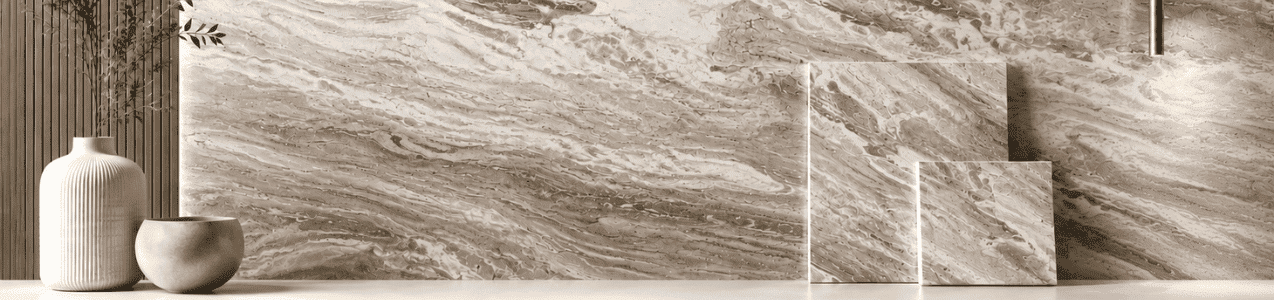
Marble is a natural stone formed from limestone under intense heat and pressure over millions of years. Known for its elegant veining and luxurious appearance, marble has been used in homes, palaces, hotels, and commercial buildings for centuries.
Every marble slab has a unique pattern, making each floor one of a kind. It is available in a wide range of colors, including white, beige, grey, green, and black, allowing homeowners to create sophisticated interiors.Marble flooring is especially popular in living rooms, bedrooms, hotel lobbies, luxury villas, and premium commercial spaces where aesthetics are a priority.
Granite is an igneous natural stone formed from cooled magma beneath the Earth's surface. It is one of the hardest natural stones available, making it an excellent flooring material for both residential and commercial properties.
Granite features a granular texture with natural speckles and is available in numerous shades, including black, grey, brown, red, green, and white. Its exceptional strength and resistance to scratches make it ideal for areas with heavy foot traffic. Granite flooring is widely used in offices, shopping malls, hospitals, hotels, kitchens, staircases, and outdoor spaces due to its durability and low maintenance.
When comparing appearance, marble is often chosen for its luxurious and timeless beauty. The elegant veining creates a premium look that enhances modern and classic interiors alike. Granite offers a more textured and natural appearance with distinctive mineral patterns. It provides a contemporary yet durable finish, making it suitable for both residential and commercial projects. If your priority is luxury and elegance, marble is an excellent choice. If you prefer a bold and natural look with superior durability, granite is the better option.
Granite is significantly harder than marble and offers outstanding resistance to scratches, stains, and heavy impact. This makes it an ideal flooring material for areas that experience constant foot traffic. Marble is also durable but has a softer surface compared to granite. It requires more care to protect it from scratches and stains, especially in busy households or commercial spaces. For high-traffic areas such as offices, retail stores, and public buildings, granite flooring is generally the preferred choice.
Marble is often considered a premium flooring material because of its luxurious appearance and unique natural patterns. Depending on the variety and quality, it can be more expensive than granite. Granite is available in a wide range of price points, making it suitable for both premium and budget-conscious projects. Its durability also reduces long-term maintenance and replacement costs. When evaluating flooring costs, it's important to consider not only the purchase price but also installation, maintenance, and long-term durability.
Both marble and granite require regular cleaning to maintain their natural beauty. However, marble is more porous and may need periodic sealing to prevent moisture absorption and staining. Granite has lower porosity, making it easier to maintain and more resistant to water and everyday spills. Routine sweeping and mopping are usually sufficient to keep granite flooring looking new. If low maintenance is your priority, granite offers a practical advantage.